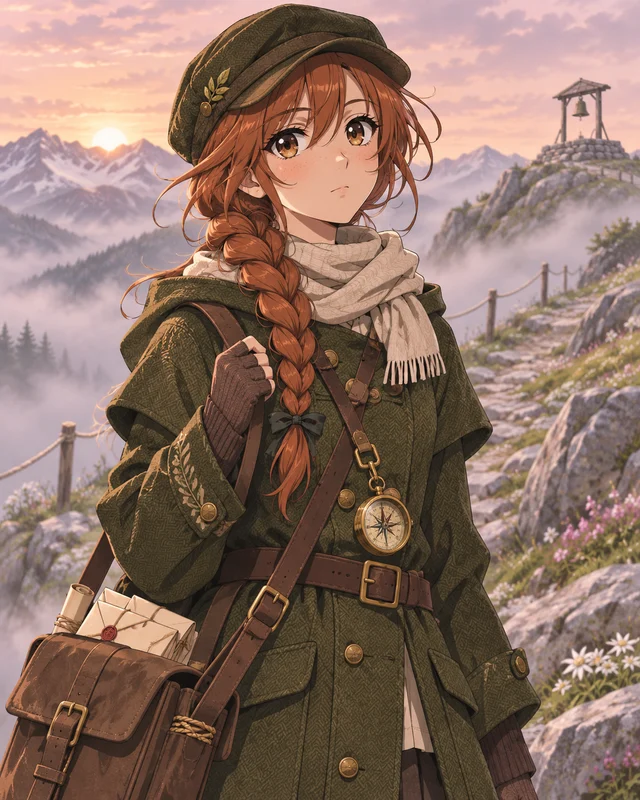
Eira
Mountain post courier
- Personality
- Quiet in a crowd, quick to notice who has been left out
- Appearance
- Copper braid, moss-green wool coat and brass trail compass
- Secret
- The old summit bell rings whenever they take the wrong fork.
Get an original character with a name, a look and a secret in one roll. Keep the details that spark a story, shuffle the rest, or turn your card into an anime illustration.
Free to roll and reroll. No sign-up needed.
Six starting points for a story, a tabletop session or an illustration.
Mountain post courier
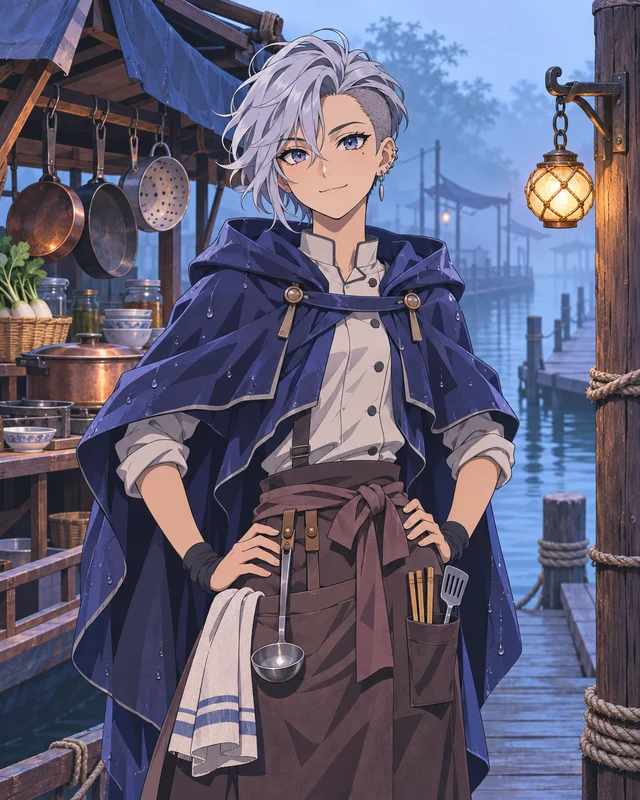
Floating-market cook
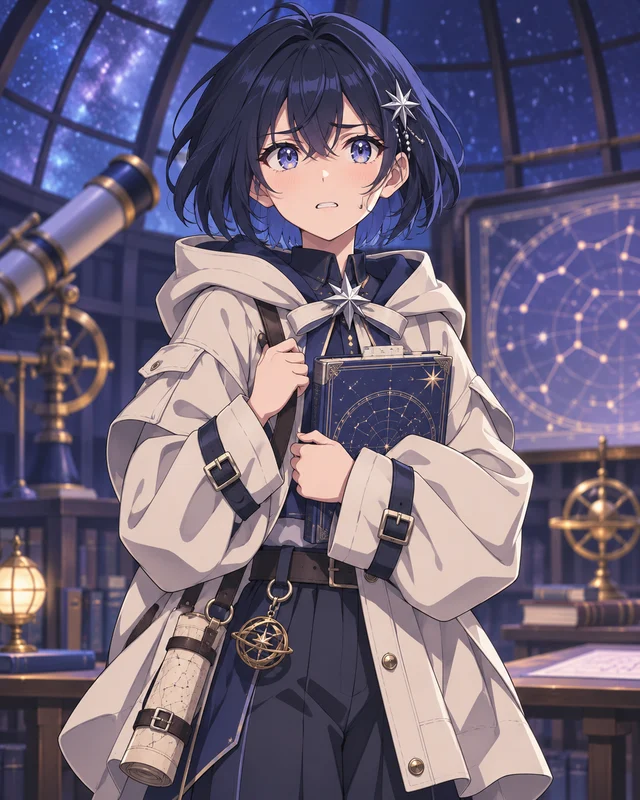
Junior star cartographer
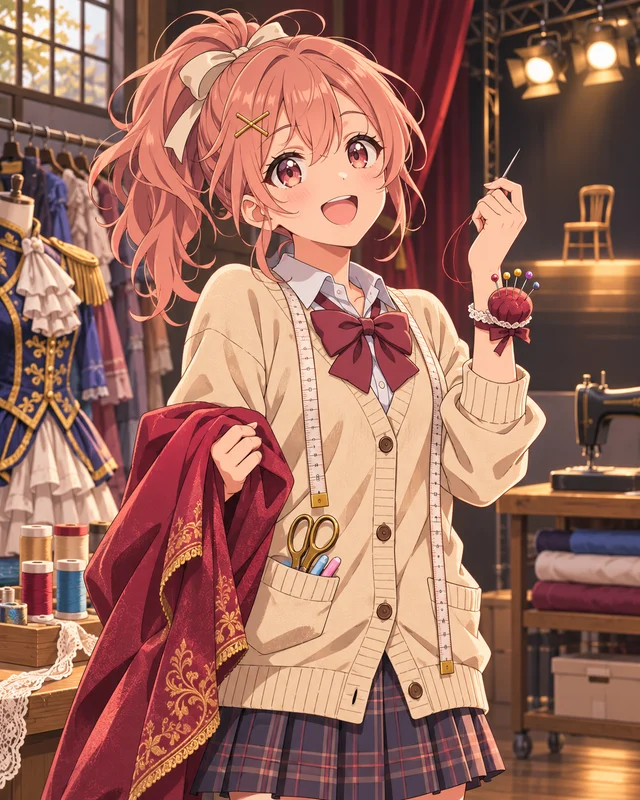
After-school costume maker
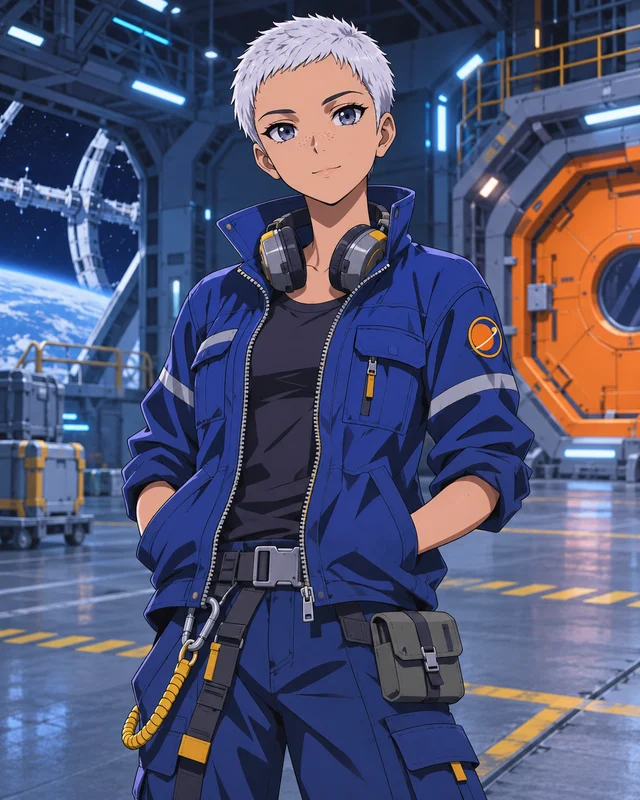
Station salvage pilot
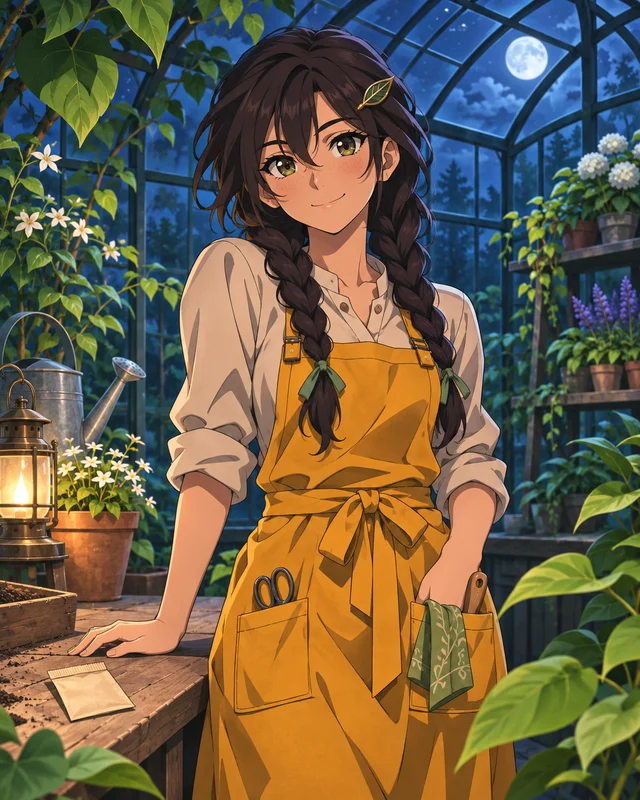
Night-shift greenhouse attendant
Roll once for a complete character card. You can start without a genre, a world or even a name. The character arrives with a role that suggests where they belong, a personality you can express in dialogue, an outfit you can picture and a secret that gives you a reason to follow them.
When the card feels like someone you want to draw, Generate image opens an editable brief in the anime character creator. Text rolls are free. The creator shows the model and credit cost before you submit an image.
Each field gives you a decision you can use right away. Together they can serve as a one-page pitch, the seed of a tabletop NPC or the brief for an original character portrait.
Keep those details together as you develop the character. After you have a visual design you like, a character reference sheet can carry the same outfit and silhouette across multiple views.
For fiction, take the first action the card gives you. An observatory apprentice who finds a second logbook has a choice to make before the next shift. Write the moment they recognize the handwriting. A small choice can reveal who they trust, what they want and how much trouble they are willing to invite.
For a tabletop session, start with what the party can see. A night ferry operator holds a tiny lantern and asks for a second fare. Their reason for making that request can come from the secret on the card. That gives a game master something to improvise if the players follow them, help them or ask around at the dock.
For an OC, use one distinguishing detail as the thread between their visual design and their story. A runner with a brass compass might wear it outside their coat so another courier can spot them in a crowd. The same compass could belong to a mentor they cannot bring themselves to visit. One object can anchor a drawing and a whole relationship.
You can also reuse a role across a cast. Give the same station job to two people and reroll their personalities and secrets. One might protect the crew while the other protects the station. Each has a reason to put on the same uniform and to disagree when it matters.
A random character name generator gives you a label. Pair that label with a role and a temperament and you can hear how it sounds in the character’s world. “Nell is at the dock again” says one thing about a punctual canal locksmith and something different about a cook who owes a favor to the owner of a missing boat.
If the name lands first, lock it and see what else it could belong to. If the story hook lands first, lock the secret and try different people who might carry it. Take the result you like into a scene and see what their oldest friend calls them. A nickname can be the first sign of a history neither person wants to explain.
Keep your favorite roll with a printable OC template for the character’s look, story, and profile.
For a Clans-inspired cast, the Warrior Cat name generator can suggest a feline name by rank or coat color. Once any name feels right, use the headcanon generator to give your character a private habit, a relationship or another detail with a story behind it.
A blank prompt gives you room to define every detail. A roll gives you something concrete to react to. If you like the costume maker’s cardigan but imagined a more serious character, keep the visual and reroll their personality. Discovering which parts you want to keep can be a quick way to find the idea you were reaching for.
Visual character creators such as Picrew let you explore the design by choosing illustrated parts. A character card starts from a written role, look and story hook. You can take the same idea into a scene, use it as a brief for your own drawing, or open it as an editable image prompt and change the details before generating.
Some details matter more in one medium than another. For a thumbnail, keep the rain cape and lantern visible. For a short story, spend those same few lines on the question of why this particular person takes the late shift. The card can hold both versions while you decide where to take the character.
As a character idea generator, the tool is also useful for variations on an idea you already like. Try three rolls with the same appearance locked, then read the different secrets side by side. The best version might be whichever one gives the character something specific to do in the first chapter.
Use the random anime character generator when you want a design you can illustrate. A clear silhouette, a few colors and one distinctive accessory make the costume easy to carry into another drawing. For a quiet scene, ask for the character in their everyday outfit. For a poster, keep the same look and describe a gesture or an object that puts their personality on display.
Use the random OC generator to start a character who has a place in your own world. Give the role a local title, connect their secret to an event in your story and decide who might already know it. The OC maker offers more guided starting points if you already know the world or the visual style you want.
For a random persona generator, you can start with the role and the social side of the personality. A courtly speaker who loves bad jokes reads differently in a forum profile, a roleplay introduction and a scene set in their workshop. Keep the details that help you write in their voice, then decide how much of their secret they would tell a stranger.